Monday 23rd March 2026

Monday 23rd March 2026
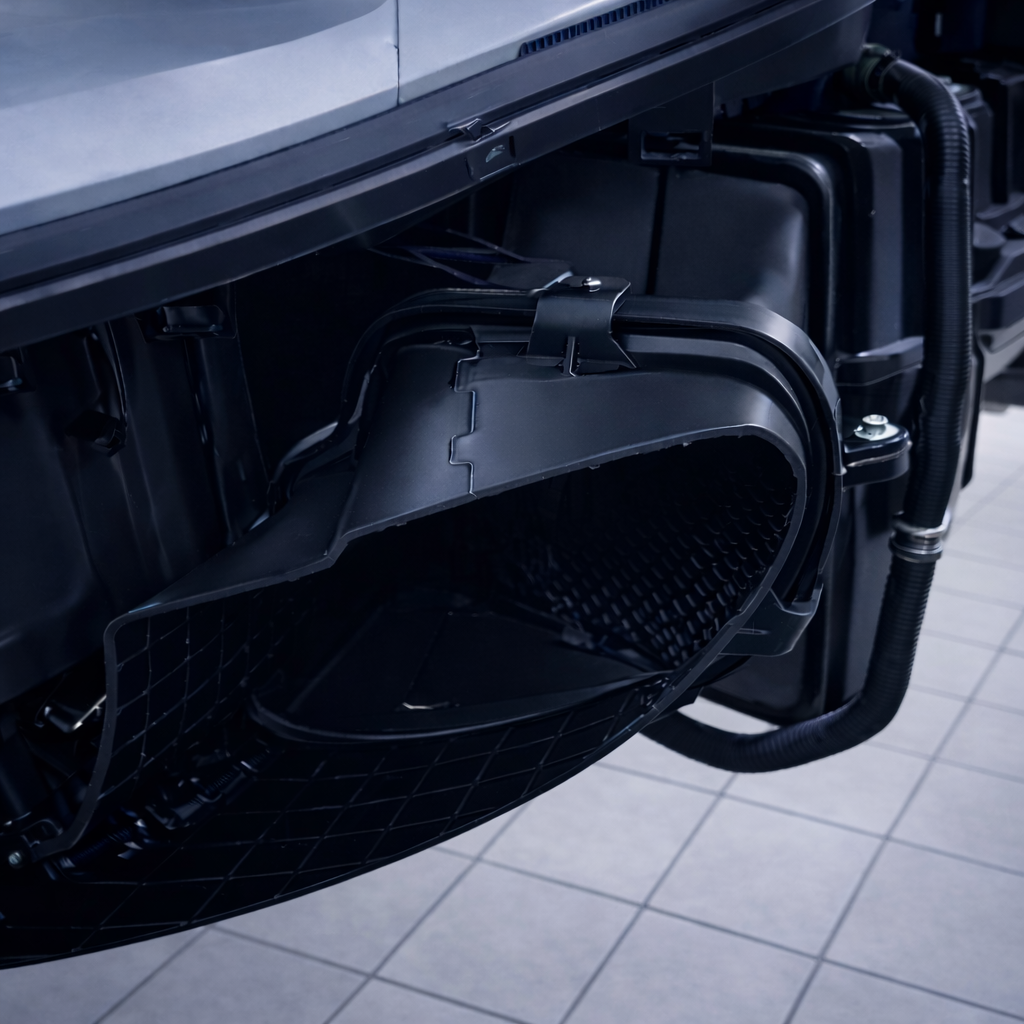
3DX redesigned and 3D printed a lightweight air intake duct for a racing car using reverse engineering and FDM additive manufacturing with PA-CF material. The new design improved airflow, reduced component weight by 40%, and shortened production lead time by more than 60%.
3DX Additive Manufacturing helps engineers design and produce complex, high-performance components using advanced 3D design and additive manufacturing technologies. Our solutions enable the creation of lightweight, durable, and optimized parts that meet demanding performance requirements.
A motorsport client approached us with a challenge. After installing a newly designed front bumper on their racing car, the existing air intake duct no longer fit correctly. The original duct interfered with the bumper geometry, restricting airflow and creating the risk of contact during high-speed racing conditions.
In motorsport engineering, airflow efficiency, component weight, and precise fit are critical for optimal vehicle performance.
The objective was clear:
We leveraged our expertise in reverse engineering, digital design, and additive manufacturing to redesign and manufacture a high-performance air intake duct optimized for motorsport conditions. The final component was produced using FDM 3D printing technology with PA-CF material, offering the ideal balance of strength, temperature resistance, and lightweight performance.
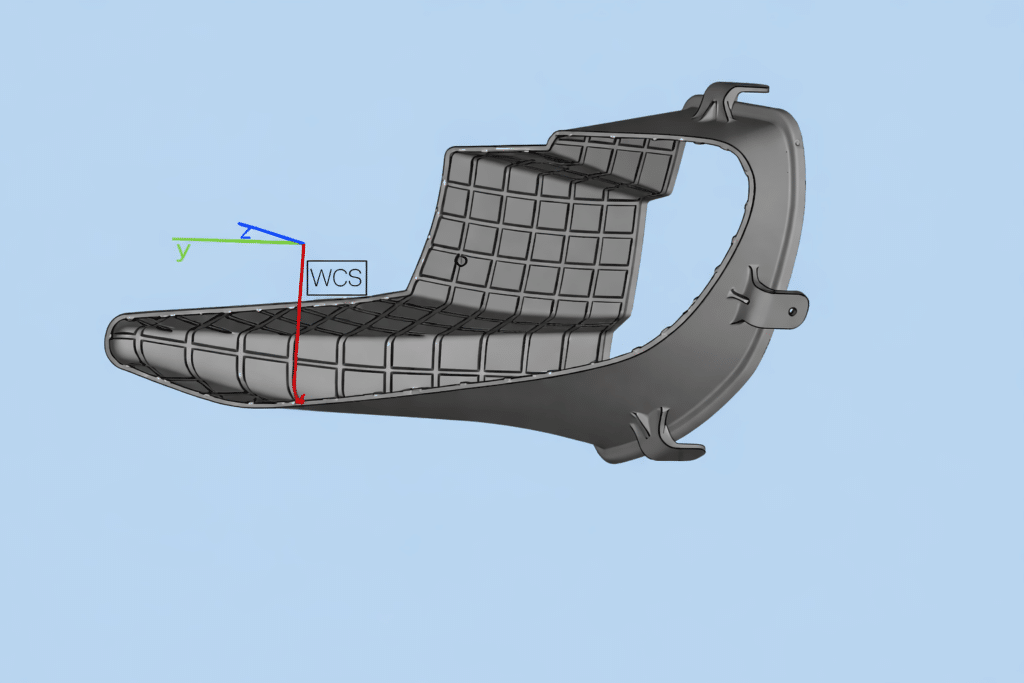
To accurately capture the geometry of the new bumper and ensure a precise fit, we began by reverse engineering the modified vehicle components.
Using the captured geometry, our engineering team designed a new air intake duct optimized for airflow efficiency and structural integrity.
Before final production, the redesigned duct was prepared for additive manufacturing.
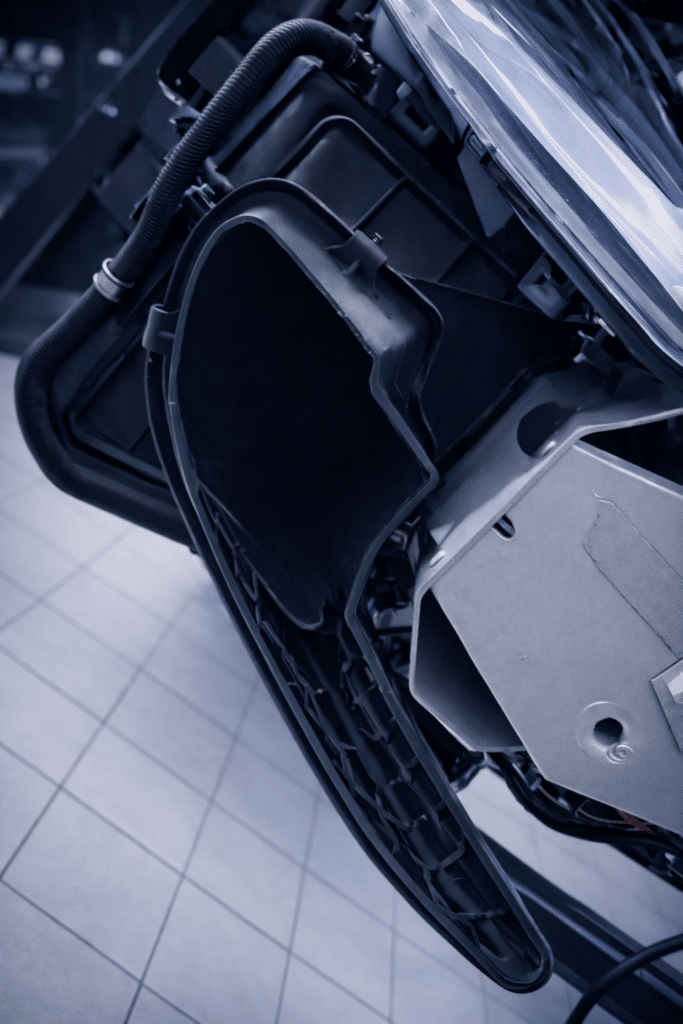
After successful validation, the redesigned air intake duct was produced and refined.
The final design achieved a 40% weight reduction compared to the previous aluminum duct, significantly improving performance while maintaining structural durability.
The new air intake duct was installed and tested under operational racing conditions.
By combining reverse engineering, optimized CAD design, and FDM 3D printing with PA-CF material, 3DX delivered a high-performance air intake duct in significantly less time than traditional manufacturing methods.
The redesigned component not only solved the clearance issue but also improved airflow efficiency and reduced overall weight. The complete design-to-installation cycle was reduced by more than 60%, enabling faster development and improved vehicle performance on the track.
Whether you need reverse engineering, rapid prototyping, functional parts, or low-volume production, 3DX Additive Manufacturing helps transform complex ideas into high-performance components.